


Temple and chapels of Ain el Muftella
Star gazing in the desert is a must-do experience during your stay in Egypt. Shaspo Tours gives you the opportunity to visit Bahariya Oasis with its charm Egyptian desert. Choose from our wide selections of Egypt Holidays and Egypt Desert Safari.
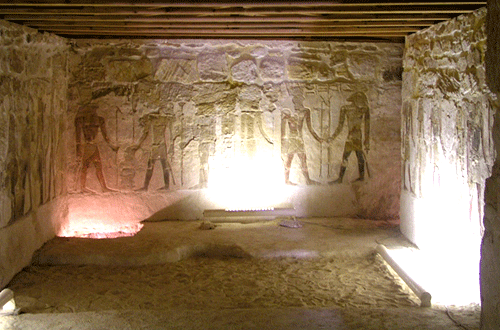
The site of Ain el Muftella is located three kilometers west of the Al Qaser at the exit point of the track that links the Bahareya to the Siwa Oasis. This site contains four chapels that were discovered by Ahmed Fakhry, the Egyptian archeologist that holds the credits for most of the discoveries that took place in the Egyptian Western desert, in 1938-1939.
The four chapels belong to the 26th dynasty, the last native dynasty to rule Egypt before the Persian conquest in 525 BC. These chapels belong to a temple complex built during the rule of Amasis, who was a pharaoh (570 BC - 526 BC) of the Twenty-sixth dynasty of Egypt, the successor of Apries at Sais and he was the last great ruler of Egypt before the Persian occupation of Egypt. The temple of Ain el Muftella belonged to the city of Psobthis which was located between the temple of Ain el Muftella and the present city of Al Qaser.
We know that parts of the temple was built by a high priest named Zed - Khonsu - efankh brother, Saba, Khonsu was governor of the region during the reign of Ahmose II. After the death of Sheba - Khonsu, Zed - Khonsu - efankh also assumed the role of his brother as governor.
Honorary investigation at the site in 1939, which led to the erroneous view that the structures were four booths separated. However, when the site was examined again in 1977, it was decided that these structures are indeed one of the temples.
Central temple in fact consists of four booths adorned with relief and sank in a similar style to what one might find in other Egyptian temples in this period. First Church, which has two large has jumped once painted ceilings with geometric designs. Each of the corridors was lined with small storage room.
Has such a rural churches in Egypt, which was required to serve as a place of worship for public purposes for a number of different gods. Zed is seen in the first room is - Khonsu - efankh, and sometimes his brother Khonsu Shebeen, along with Ahmose II, the double crown of Upper and Lower Egypt, standing for the offerings to the gods of the thirteen, who include Mahesa, Bastet, Amun, death, Khonsu, Harsaphis (Heryshaf or Arshaphes), Hathor, Thoth, Nehem Awa (wife of Thoth), Amon (Cape ram), Anubis and Isis. In some cases, and God (the God of Western Sahara) and is included in the procession.
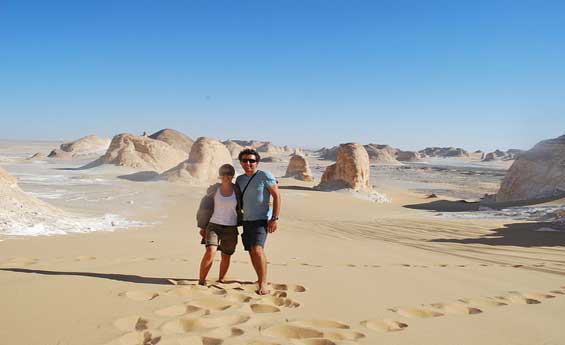 Bahariya and White Desert Safari from Cairo
 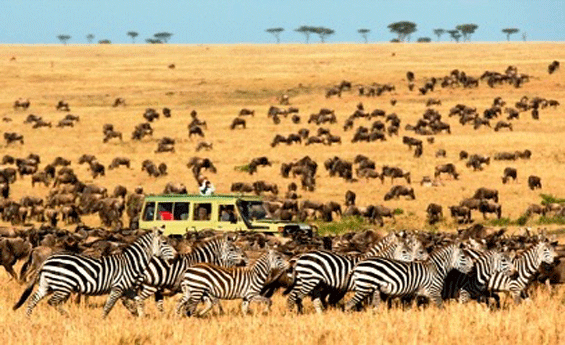 Egypt Desert and African Safari
  Cairo and Siwa Oasis Safari Tours
 Cairo, Nile Cruise and Safari Tours
 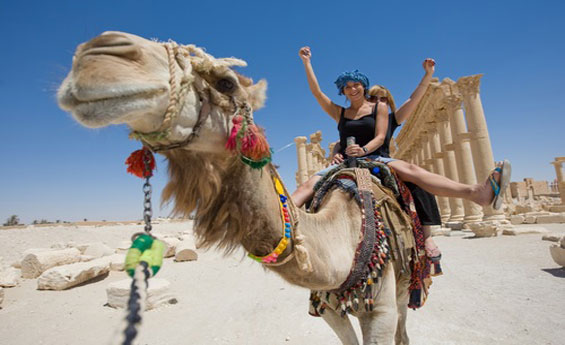 Hurghada Desert Safari
 Hurghada Quad Bike Desert Safari